0 SOME COMMON HAIR LOSS CAUSES

Labels: ,
One of the most worrying aspects of hair loss treatment is the tendency of so many people to seek solutions without first determining what has caused their loss in the first place.

At best, sufferers may waste money on inappropriate 'wonder cures' or even legitimate treatments that unfortunately are not suitable for their particular needs. At worst, some people may be risking their health by self-prescribing powerful pharmaceutical drugs. I don't have a problem with hair loss sufferers saving money by purchasing cheap generic drugs on the internet, but I feel strongly that they should at least seek confirmation from their physician that a given drug matches their individual needs.

Before examining the most common causes of premature hair loss we need to understand that some shedding of hair is perfectly normal. Hairs grow from follicles that are tiny organs in the skin designed to grow a single hair that follows this repetitive cycle:

1. Lengthy growth period (Anagen Stage) - this phase usually lasts between two and seven years with an average growth rate of six inches (15cm) each year.

2. Short transition period (Catagen Stage) - this period of transition lasts for roughly two to four weeks. During this phase the hair shaft becomes detached and moves upwards within the follicle.

3. Resting period (Telogen Stage) - this phase lasts about three months allowing the hair to detach itself prior to falling out.

At this point a new hair begins to grow thus repeating the normal cycle of hair growth. Unfortunately a number of factors can interfere with the natural hair growth process leading to forms of hair thinning or premature baldness.

Androgenetic alopecia is the most common cause of hair loss, probably accounting for as much as 95% of pattern hair loss for both men and women. It is usually associated with aging and develops in predictable stages over varying periods of time. Each follicle follows a genetically programmed growth cycle with some follicles coded to remain active for a shorter time than others. This results in the development of the hereditary baldness patterns that are so familiar to us all.

For this type of baldness to occur, the following factors must be present:

1. A genetic predisposition for hair loss to occur (as explained above).

2. The presence of male hormones.

3. Aging - in other words, enough time for the first two factors to exert an influence.

All men and women produce male hormones such as testosterone and DHT. These have a useful role to play in both sexes but obviously occur in widely differing concentrations. It is the higher levels of androgens found in males that explains why this form of hair loss affects men more than women.

In brief, these hormones affect the hair growth cycle as follows:

1. High levels of the 5-alpha-reductase enzyme occur in some cells of the hair follicle and sebaceous glands.

2. 5-alpha-reductase converts testosterone into DHT.

3. DHT causes the terminal hairs to miniaturize.

4. This leaves short, soft, fluffy vellus hairs that provide inadequate scalp coverage.

5. The growth phases gradually become shorter until these hairs are lost for good.

Alopecia areata is thought to be an immune system disorder that causes follicles to stop producing hairs in patches on the head. In severe cases it can advance to the stage where all hair on the head is lost (alopecia totalis) or even a complete absence of body hair results (alopecia universalis).

In most cases the hair will reappear on its own but until then, the condition can be very distressing to sufferers particularly as its cause can be difficult to determine. If you feel you may be suffering from this form of hair loss, seek the advice of your physician who will carry out a physical examination and conduct blood tests to help determine the cause.

Telogen effluvium is characterized by a general thinning or shedding of hair over a period of months and is most commonly found in people who have recently experienced trauma. Common causes include childbirth, major surgery, severe illness, psychological stress and chemotherapy. The good news is that the abnormal growth behavior associated with telogen effluvium is temporary and reversible.

There are numerous other less common hair loss causes that need to be discounted before a course of treatment is chosen. Traction alopecia is the loss of hair from constant pulling, usually as the result of hair styling. Broken hairs can result in thinning, often caused by excessive styling or exposure to chemicals and sun. Finally, severe illnesses or nutritional deficiencies can cause side effects that may include degrees of hair loss.

I hope this brief article has gotten across the message that diagnosing the real causes of hair loss is not always a straightforward process. Once you and your physician have identified a cause, then you can work towards restoring your hair to its former glory. And the good news is, most forms of hair loss can be treated successfully. The next article in this series will look at some of the best hair loss treatments currently available.

Read more

0 TREATMENT AVAILABLE FOR HAIR LOSS SUFFERS

Labels: ,
The hair loss treatments outlined here cannot provide definitive cures for all hair loss conditions, but they do represent regimes that many sufferers have found useful. In other words, they are examples of potential solutions that many patients have chosen after honestly assessing the causes of their hair loss together with their expectations.

This article will focus on four basic approaches:

1. A drugs based approach for those who don't mind taking strong medications.

2. A commercial product approach for those who prefer a non-drug solution but who still want a treatment that has a track record.

3. A natural remedy approach for those who prefer to follow the natural route.

4. A nutritional approach for those who wish to adopt a more holistic perspective.

It remains a fact that only two hair loss treatments have been approved by the FDA and both can be classed as strong drug-based medications. Propecia (finasteride) is the treatment of choice for many men with good reason - it tends to work! It is a powerful drug that inhibits the formation of DHT in the system, eventually to a level that is sufficiently low to encourage a normal growth cycle. Rogaine (minoxidil) acts differently in that it stimulates hair growth in both men and women by overriding the prevailing hair loss symptoms. These drugs can be used either on their own or in combination. Women should seek professional medical advice before using Propecia.

The world of commercial hair loss products is much less clear cut and it is here that many scamsters ply their trade to rip-off unsuspecting customers. The best advice I can give here is research, research, and more research! Many useful products are available on the market but none have been approved by the FDA. Probably the best, and certainly most popular, commercially available products are those containing natural ingredients that have been shown in field trials to reduce hair loss and encourage regrowth. You can find out more about these products by visiting the site listed at the end of this article.

Increasingly, people are turning to natural hair loss remedies as they seek to combat thinning hair. This has an obvious appeal for many sufferers and there is growing evidence to support the view that some natural remedies may be effective in curtailing hair loss. The most popular ingredients of natural hair loss treatments include ginko biloba, green tea, he shou wu, pygeum, saw palmetto and stinging nettle. Each of these is described in more detail in an supplementary article entitled "Herbal Remedies That Offer Hope".

It is becoming increasingly evident that poor nutrition and modern lifestyles can have a negative impact on health, and hair loss is no exception. At the most basic level, improved nutrition can minimize shedding and support other treatments that encourage regrowth. This can be achieved by:

- eating adequate amounts of protein.

- eating appropriate levels of useful carbohydrates.

- achieving a healthy balance of dietary fats.

Other articles in this series will examine these issues in greater detail but in the meantime you can find out more by visiting the site listed below.
Read more

0 YOGA FOR RELAXATION

Labels:
Discover the true meaning of yoga?

In taking any modern yoga class, you will find parallels to ballet. Like ballet, the promise of poise, grace and flexibility encourages much interest. Yet if yoga is like any other exercise, it is only at first glance. Underneath the coveted health and fitness benefits of modern yoga practice are the roots of a great spiritual tradition blending cultures and religions.

Unfortunately, through the westernization of yoga, we have lost an essential component of this peaceful practice. Though the ritual remains intact the meaning has gone astray. Where previously the postures of yoga practice were merely a branch of a tree; today they are viewed by western society as the tree itself. How do we bring meaning to our poses?

Modern Yoga's Roots and Benefits


Though the development of yoga cannot be pinned to an exact year, the discovery of the Indus seals, which show figures in the classic yoga asana (posture) of lotus pose, trace yoga back to at least 3000 BCE. At this time the Vedas were being written, which today's yoga postures are derived from. These gave birth to Vedic yoga, which accommodated the ancient Indians fixation on ritual and sacrifice. We see evidence of the importance of sacrifice in the yogic corpse posture. Lying as though we were placed in a coffin, this represents the ultimate sacrifice-that of death. Though seemingly morbid, corpse posture is one of hope when we understand that according to the Vedanta sutras, death results in liberation

Sacrifice was meant to join the material and the physical, and create the longed-for "union" that defines the word Yoga. The Vedanta sutras (vs.4:4,13-14) declare that the liberated soul is not materially motivated.. By asking us to free ourselves from the bondage of material motivation, compassion requires us to be selfless. Surely, this giving is an exercise in compassion. Even still,

the modern practice of yoga facilitates this. Through postures and stillness, we alter our consciousness and therefore change our perspective. In our new realization of others as being part of the cosmic whole, we feel that in giving to them we are also giving to ourselves.

The ancient philosophy of yoga saw its postures as part of a greater whole. Thousands of years ago during the time of Astanga yoga, posture practice was one piece of a more important whole. Astanga yoga, which originated during Vedic India, was derived of eight branches; yama (control and discipline), niyama (rules, methods and principle), asana (posture), pranayama (focused breathing), prathyahara(avoidance of undesirable action),dharana (concentration), dhyana (meditation) and samadhi (contemplation). In contrast, most contemporary yoga focuses on postures and uses breath work as a small component or an afterthought. Though admittedly, the current vision of yoga over-emphasizes asana, it is extremely important and has enormous benefits. The medically studied benefits of yoga include the following: Stress reduction, improved muscle strength and tone, increased energy and flexibility, improved balance and coordination and a reduction in depression. . Moving with Compassion

Through most of asana practice, we are unconsciously engaging in physical metaphor. Many yoga postures are named after and imitate the living world; tree pose, eagle pose, frog pose, cat pose. By developing postures that imitate the stance of animals, the vedic seers may have been seeking not only to embrace the qualities of these animals, but to formulate compassion for them.The way that compassion serves as a partner to yoga's goal of liberation can be understood through reading the ancient yogic texts. Understand these vedas; whether they be the Rig Veda (knowledge of praise),Yajur-Veda (knowledge of sacrifice), Sama Veda (knowledge of chants), and Atharva-Veda(knowledge of atharvan), is likelier while deep in meditation. Understanding the vedic sutras, we are permitted to experience a bliss unknown through material grasping.

In this state everyday experiences fade away and a greater perspective unfolds. Over time, meditation also allows us to become more intuitive and receptive. This opens us up to others, enhancing our compassionate nature. This experience has been discussed by Eastern sacred-text expert "H.P. Blavatsky's in "The Voice of the Silence." Blavatsky writes: "Compassion is no attribute. IT is the LAW of LAWS-eternal Harmony, Alaya's SELF; a shoreless universal essence, the light of everlasting Right, and fitness of all things, the law of love eternal."

In order to experience compassion for others we must first extend it to ourselves. Straining too forcefully in a pose is counter to compassion. Why? Yoga teaches us that we are all connected, so when we hurt ourselves this pain eventually reaches others. Instead we must strive for gentle self-acceptance, competing with nobody-not even ourselves. This is essential to a rewarding experience of yoga.

Postures for Peace

By the time of Patanjali's yoga sutras, which were written near the beginning of the common era, we begin to see a discussion of the more practical aspects of yoga. Posture is discussed (be it mainly for meditative purposes), as is concentration of the mind during this exercise. In the Yoga-Sutra, Patanjali presents relaxation as the very essence of yoga practice. He teaches us that posture should be steady and comfortable .This sentiment is reflected in the postures (asanas) of today's practice. The physical dimension of yogic exercise requires us to have compassion for our limits. We are never asked to push, instead only to release. Mercifully, our small efforts are graced with us connecting to a life-force that is divine and encompassing.

Asanas urge us to see our body as divine, and to nurture health in this mortal temple. Yogic adepts understand that their body is flawed, however slender and toned it may look externally. This acknowledgement leads to less judgement of other's bodies. However pleasing to the eye a yogis shape may be, the same vedic texts that encourage the practice of yoga for health, also remind us that true "liberation" comes from being free of the cycle of rebirth-free of the physical form.

Yogic postures work in contrast to the western notion of exercise. Here we see exercise as an end, such as an end to overweight and fatigue. Yoga is different. While in most forms of exercise the physical results are the sole goal, in yoga the soul is the goal. The ancient tradition of yoga exercise stands apart in its doctrines. The ancient yoga texts insist that the mind and spirit are more important than the physical body. While many other eastern forms of mind-body fitness also encourage this awareness, no other physical practice has the ultimate goal of union with the divine. In yoga, the process of attaining this union is as important as the actual attainment.

Yoga practice is not a means to an end. It is an end in of itself. Even distinguished from vedas and sutras, the modern practice of yoga posture is a beautiful and calming pursuit. Though modern yoga practice makes little mention of the scriptures that it is based on, the experience of union and compassion can be woven into each pose. In doing this we are enhancing more than our practice, we are improving our life.
Read more

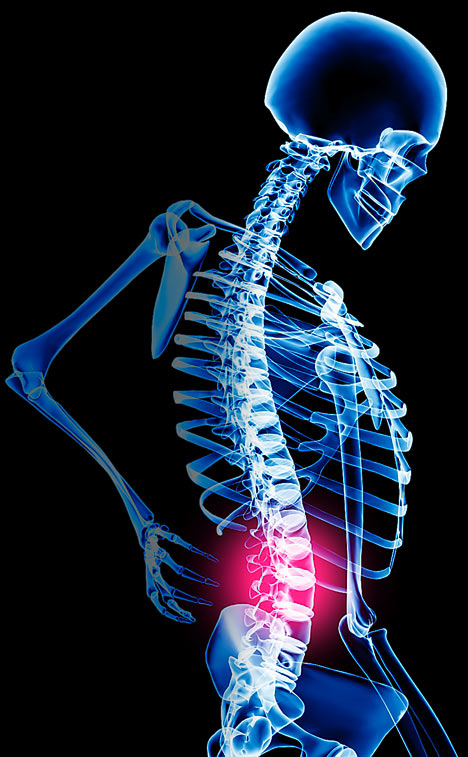
2 EXERCISE FOR BACK PAIN

Labels:
YOGA EXERCISES FOR YOUR BACK

A good, regular yoga practice will go far in relieving the stress and tension that sometimes cause mild back pain, and in fact, studies have shown that yoga is the number one most effective exercise for relieving back pain. However, not all yoga poses relieve back pain, and some can in fact aggravate existing pain, so it is important to know which poses will be most helpful in relieving back pain. It is best to do these exercises under the supervision of a certified yoga instructor, and if you encounter any problems with these poses, you should consult an expert. Even just one or two sessions with a yoga instructor can help, as an instructor will help you with your form and posture during poses. Here are some of the best yoga poses for relieving back pain. Each pose should be held from five to ten seconds, depending upon your level of comfort, and should be done on a mat or other soft, supportive surface.


CORPSE: Lie flat on your back in a relaxed position, arms resting at your sides, palms down, and legs lying naturally, with knees turned out slightly. If it hurts your back to have your knees turned outward, do this pose with knees bent, feet flat on the floor. Breathe in and out for a few seconds while allowing any tension to leave the body.

CAT STRETCH: Start out on your hands and knees with a flat back. Your hands should be directly under your shoulders with fingers spread. Knees should be directly under the hips. Head is held loosely so that you are looking at the floor between your hands. Inhale, and as you exhale, arch your back toward the ceiling, tuck your chin in to your chest so that you are looking at your navel, and tuck your tailbone underneath. Hold, then release back into your original position.

WIND-RELEASING POSE: Lie flat on your back as in Corpse pose. As you inhale, bend your knee, place your hands right below the knee, and draw your leg towards your chest. Your left leg should remain flat on the floor. Exhale and bring your forehead up to touch your knee. Inhale, and then as you exhale, return to your original position. Repeat with the other leg.

SAGE TWIST: Warning for this pose-it involves twisting your back, so you should take particular care not to twist too far or you risk aggravating any existing back pain. This should be a gentle stretch; twist just as far as is comfortable. Sit on the floor with both legs out in front of you. Bend your right knee, lift your

right leg over your left, and place your right foot on the floor next to your left knee. Sitting with spine straight, place your left elbow on the right side of your right knee. Bend your left arm so that your left fingertips are touching your right hip, while at the same time, twisting to look over your right shoulder. This is where you need to be careful not to twist too far. Hold for a few seconds, release, and repeat on the opposite side.

PALM TREE: Stand with feet facing forward, arms at your sides, weight distributed evenly on both feet. Raise both arms over your head, interlock your fingers, and turn your hands so that your palms are facing upward. Next, place your palms on your head and turn your head so that you are looking slightly upward. Stretch your arms upwards, and at the same time, come up onto your toes if you can do so without pain. Stretch your entire body upward and hold, if you can. Some people have difficulty balancing during this pose, so just do the stretching part if you need to.

FISH POSE: Lie on your back with knees bent and arms at your side. Arch your back as far as you comfortably can and raise it off the ground by pushing the floor with your elbows. If you can, tilt your head backwards and rest the crown of your head on the floor. Breathe deeply from the diaphragm and hold pose for one minute if you can.

LOCUST: Lie face down with arms at the side, palms down, and elbows slightly bent with fingers pointing towards the feet. Raise your legs and thighs as high off the ground as possible without causing your back any pain. Hold for one second and repeat up to twelve times. This can be a vigorous exercise so you must take care to strain already injured muscles.

BENDING FORWARD POSTURE: Stand up straight with feet together and arms hanging loosely along your sides. Breathe in deeply and raise your arms straight above your head. While breathing out, bend forward and touch your toes if you can. If you can't reach your toes, grab hold of your ankles or calves. To complete the pose, you should touch your head to your knees, but this may be too difficult for many who suffer from lower back pain. Your movements during this pose should be smooth, not jerky.
Read more

0 WHAT SHOULD PREGNANT WOMEN EAT ?

Labels:

Nutritious food is very necessary for a pregnant woman. A pregnant woman requires 80 thousand extra calories in order to give birth to a healthy child because around 300 additional calories are spent everyday during pregnancy, which is equal to the amount of calories present in a glassful of low fat milk, a bread slice, and an apple.

Calcium rich food should be taken during pregnancy. Calcium prevents high blood pressure in a pregnant woman. A woman should drink two to three glasses of low fat milk during pregnancy. She should take it before, during pregnancy and after delivery.

Cook rice or barley in milk instead of water to get sufficient amount of calcium. Eat calcium rich things, as during pregnancy 1000 mg of calcium is required everyday.

The pregnant woman should avoid constipation and therefore she should drink more water, as it is also beneficial for the child growing inside the womb. Drink at least eight glasses of water during the day. Drink water before and after meals. Skimmed milk or fruit juice is also beneficial.

A pregnant woman also requires iron during these days. She should take protein rich food, dry beans, green peas etc. Iron is difficult to add in the food but it is very important. Eat iron rich food as much as possible. Cook vegetables in iron pans and take, iron tablets etc.

Avoid fish, and meat during pregnancy, as it could be harmful for the child. Reduce tea and coffee or completely avoid it as it reduces the weight of the child and leads to several other problems.

Different types of meat contain bacteria called hysteria, which could be dangerous for the health of the child growing inside the womb.

Fat is useful only when it is prepared from pasteurized milk. The child growing inside the womb depends on the food intake of its mother. Do not eat such foods which will have an adverse affect on the child’s health in order to reduce the intake of carbohydrates. The child will not get sufficient nutrition. Eat green leafy vegetables and a variety of things during pregnancy to get all types of minerals and vitamins.
Take lukewarm lemon water with honey or take a fruit or vegetable juice.

Take four to five almonds and 20 to 25 gm raisins, three to four dry dates along with milk and half a cup of fruit (apple, papaya and pear etc.) at 9 a.m

Take fruit juice or raw vegetable soup at noon.

Take lunch at 1.30 p.m, which should include chapatti made with whole wheat flour, salad, vegetable, curd (yoghurt), etc. Take salad in good quantity.

Take some fruit at 5 p.m or fruit juice or lukewarm lemon water with honey.

Take vegetable soup at 7.30 p.m.

Take lentils, vegetable, salad and one or two chapattis at 8 p.m or fruit and vegetable soup, and drink milk at bedtime. Take vegetable soup after a half hour of eating fruits.

Take something in between if hungry, like fruits, juice, etc.

Do not take tea or coffee, or take it only once daily.

A woman should not take food in excess but it should be rich in vitamins and minerals, and nutritious.


Read more

0 HOW TO REDUCE YOUR BLOOD PRESSURE ?

Labels:
High blood pressure contributes to an alarming number of deaths each year. Although it may not have apparent symptoms, high blood pressure leads to heart attacks and strokes aside from also causing kidney failure. You can reduce your blood pressure by reducing your weight (if you’re obese) and making a few small changes in your life, say doctors. 

- Walk it out — Walking at a brisk pace can help lower your pressure. A good workout will ensure the heart uses oxygen more efficiently. Getting a rigorous cardio workout 4 to 5 times a week can make a huge difference. Start by incorporating about 15 minutes of exercise in your daily routine and slowly increase the time and difficulty level. 

- Deep Breathing — Learning some slow breathing and meditation techniques can do you wonders. It will help reduce stress drastically and keep your blood pressure in check. Try taking out 10 minutes every morning and at night. Inhale and exhale deeply. If you can, join a yoga class for some time so that you can learn the proper method. 

- Go for potassium-rich foods — You have probably heard of the negative effects of sodium on the body and potassium is an essential mineral to counter the effects of sodium on blood pressure. Fruits and vegetables are rich in potassium. Try adding sweet potatoes, tomatoes, orange juice, potatoes, bananas, peas, and prunes and raisins to your regular diet. 

- Go slow on the salt — Whether you have a family history of high blood pressure or not, reducing your intake of salt can make a huge difference to your health. Before adding that extra pinch of salt to your food, think if you really need it. Try substituting salt with lime, garlic, pepper or other herbs and spices. Go slow on processed and packaged foods. Potato chips, frozen chicken nuggets, bacon etc are high in sodium. Try calculating your daily sodium consumption. Keep a food diary and you may be surprised at how much you're taking in. 

- Dark chocolate benefits — The darker variety of chocolate has flavonols that make blood vessels more elastic. Choose one that has at least 70 per cent cocoa to really reap the benefits. 


- Alcohol alert — While it does provide some health benefits, alcohol can also be bad for your health. If consumed in small amounts, it can help prevent heart attacks and coronary artery disease. But, more than one or two drinks and the benefits are gone. Keep a check on your drinking patterns and if you're a heavy drinker, start reducing slowly. Never indulge in binge drinking. Consuming four or five drinks in a row can cause a sudden increase in blood pressure. 

- Tea benefits — Herbal teas are the way to go. In a study conducted, those who sipped on hibiscus tea daily lowered their blood pressure. Many herbal teas contain hibiscus or you can always opt for green tea. The effects of caffeine are still debatable. Drinking caffeinated beverages can temporarily increase pressure. The solution is to check your pressure within 30 minutes of drinking a cup of coffee to determine if it works for your body. 

- Reduce work and relax — Reducing the number of hours you spend in office can help lower hypertension. Working overtime makes it hard to exercise and eat healthy. Ensure that you get out of office at a decent hour. Learning to relax by listening to soothing music (Classical, Oriental or Indian instrumental) can help.
Read more

0 HOW TO MANAGE YOUR STRESS ???

Labels: ,
Most people planning to work from home are generally under the impression that working from home ensures a stress free life.

They attribute this to the fact that they no longer will have to work under an irritating Boss, an unhappy working environment, unpleasant office politics and also the agony of commuting long distances.

Whether you work for a Boss or work from home, you are bound to experience stress in one form or the other.

Stress has become part and parcel of the present day lifestyle.

Stress can be caused by several factors when you work from home and hence a lot of importance is being placed on stress management to reduce stress levels in home based business entrepreneurs.

By organizing your work and taking corrective measures, you can certainly reduce stress but still there will be residual stress left which has to be managed by adopting certain measures so that you continue to remain motivated and your productivity does not suffer.

Taking regular exercises is the best way to keep fit and healthy.

Feeling fit and relaxed can reduce stress.

Some of the things you can do is to take a walk for about twenty minutes, the first thing in the morning before you start your daily routine.

If that is not possible, you can fit it in during your lunch break.

Jogging, swimming and cycling are all good excoriates that reduce stress levels.


Music is considered to be one of the best ways to relax your mind and reduce your stress levels.

Make it a habit to sit and relax for a while every day listening to music that you love, music that will soothe your nerves and inspire you.

Another way to relax your mind and cope with stress is to take up a hobby that you are comfortable with and keep you interested.

It is important that the hobby is completely different from the nature of your work associated with your home based business.

One of the best ways to relax, reduce tension and stress is to meditate.

Spending 15- 30 minutes in meditation exercises can calm and soothe your mind, reduce stress and make you feel rejuvenated.

Try it out and you will realize what you have been missing all these years.When stressed you tend to take short quick breaths.

Whenever you notice this, take a break, relax and breathe in and out slowly taking deep breaths.

This can be done in your place of work itself- a very handy stress management technique indeed.

When you work from home there is a tendency to work late into the night and also start working early in the morning.

This is stressful.

To reduce stress it is important that you have a good night's sleep.

Avoid taking coffee or other caffeinated drinks before going to bed.

Finally a word of caution.

Do not be too obsessed with your work.

It is said that "All work and no play makes Jack a dull boy".

Always try and find a balance.

Spend more time with the family and also socialize with friends.

These steps will help you to reduce stress, enjoy and excel in doing what you love to do-working from home, running your home based business.
Read more

0 HOW TO CLEAN YOUR TOOTHBRUSH - 8 METHODS

Labels: ,
Here are some suggestions for cleaning your toothbrush and keeping it clean.

Things You'll Need:

* Toothbrush
* Dishwasher (optional)
* Vinegar (optional)
* Bleach (optional)
* Mouthwash (optional)
* UV toothbrush cleaner (optional)
* Hydrogen peroxide (optional)
* NOTE: the item you need depends on the method of cleaning you choose! 

Step 1

Method #1 for Cleaning Your Toothbrush: Wash It

1. To deep clean your toothbrush, occasionally run it though the dishwasher. Be sure to place it on the top rack, so the toothbrush doesn't melt or bend due to the heat.

2. A less drastic method is to simply wash your toothbrush before and after every use by holding it under hot running water, and rubbing your thumb over it forcefully for five or ten seconds. Of course, be sure to wash your hands before using this method!


Step 2

Method #2 for Cleaning Your Toothbrush: Swish It

Effective toothbrush cleaning often involves swishing your toothbrush in various liquids. Some of the most common solutions for cleaning your toothbrush by swishing include the following:

1. Listerine, or another mouthwash that contains alcohol. Although some people opt to keep their toothbrush in Listerine except when they're actually using it, swishing your toothbrush in mouthwash for thirty seconds, prior to use, is sufficient.

2. Hydrogen Peroxide. Place 1 teaspoon of hydrogen peroxide in 1 cup of water, and swish your toothbrush in it prior to use. If you don't like the taste of hydrogen peroxide, you may rinse your toothbrush with clean water prior to use, but if you opt not to rinse the peroxide mixture off before brushing your teeth, in addition to disinfecting your toothbrush, the hydrogen peroxide will help whiten your teeth.

3. Bleach. Place the toothbrush in a cup with one part water and one part bleach - just enough to cover the bristles of the toothbrush. Swish it around for thirty seconds, then rinse. Be careful not to splash any bleach on your clothing or in your eyes, and be sure to rinse out the cup thoroughly immediately after use so that no one accidentally drinks the bleach mixture. Also, be sure to rinse off the bleach mixture prior to using the toothbrush.

Step 3

Method #3 for Cleaning Your Toothbrush: Soak It


Some people choose to soak their toothbrush anytime they are not using it. Unfortunately, many of those same people use the same soaking solution several days in a row, which can actually hurt, rather than help the problem. A solution is to soak your toothbrush in undiluted vinegar overnight, once every two weeks. The vinegar kills the majority of mold, germs and bacteria.

For a quick soak method, put your toothbrush in a clean mug and cover the bristles of the toothbrush with boiling water. Keep the toothbrush in the boiling water for three minutes and then use as usual.


Step 4

Method #4 for Cleaning Your Toothbrush: Rotate It

Some people recommend allowing a toothbrush to dry thoroughly before using it again. Therefore, it is helpful to have at least two toothbrushes. Alternate between the two each time your brush your teeth. You might want to get into the habit of using a specific toothbrush in the morning and another one in the evening so you don't have to remember which toothbrush you last used. If you typically brush three times per day, three toothbrushes would work well for this method.


Step 5

Method #5 for Cleaning Your Toothbrush: Separate It

The family toothbrush holder that holds multiple toothbrushes is really not a good idea, as toothbrushes kept together in the same container often end up touching, which can result in the spread of germs. Keep your toothbrushes in separate containers to avoid cross contamination.


Step 6

Method #6 for Cleaning your Toothbrush: Cover It

The bathroom is full of nasty germs. Because of that, some people choose to put a toothbrush protector over their toothbrush, or keep their toothbrush in the medicine cabinet. However, this method can cause problems if you cover the toothbrush before it has a chance to dry thoroughly. Using a toothbrush cover with holes helps the toothbrush to air out if by chance it was not completely dry before covering.

An easier method to help avoid airborne contaminants landing on your toothbrush may be to be conscious of things such as keeping your toothbrush on the sink counter that is as far away from the toilet as possible, and being sure to close the toilet lid before flushing the toilet.

Step 7

Method #7 for Cleaning Your Toothbrush: Go High Tech

If the above solutions sound too complicated, and you'd prefer to use a no muss no fuss method of cleaning your toothbrush, head to your local drug or discount store and pick up a UV toothbrush cleaner for about $20.


Step 8

Method #8 for Cleaning Your Toothbrush: Replace It

No matter how much care you put into cleaning your toothbrush, most dentists recommend replacing your toothbrush every three or four months, or when it shows sign of excessive wear, such as bent bristles. It is also a good idea to replace your toothbrush after any type of illness
Read more
 
HealthTips4Free © 2010 | Designed by Blogger Hacks | Blogger Template by ColorizeTemplates