0 Ten bad sleeping habits

Labels: , ,


Ten bad sleeping habits


Curling up: Did you know that sleeping all curled up is not good for your back? This could result in back pain. The best way to fall asleep is on your back, flat out, with maybe a pillow under your knees to flex your lower back.


Having pets sleep in your bed: Animal hair can trigger off asthma and other allergy attacks, so it is advisable to keep your furry friends out of your bed. Even children's stuffed toys can be carriers of dust mites. And that is something you need to watch out for.


Sleeping face down: Sleeping face down can wake you up in just a little while because of the distrupted nocturnal breathing that this can result in. You will not be able to breathe properly when sleeping face down and this will wake you up.


Dropping off in your make up: Apart from producing dark circles around your eyes, eye make up can irritate your eyes while you sleep. Besides having make up on for long periods of time can produce dermatitis. So before you hit the hay, even if you are bone tired, take a coupleof minutes to completely remove all traces of make up from your face and neck.


Sleeping in a cold room: With the air conditioner on full blast and you feeling absolutely cold, you could curl up in a bad posture while sleeping. And this is bad for your spine. So sleep in a comfortable temperature, and set the timer on in your air conditioner before it gets too cold for you.


Putting flowers in your bedroom: Fresh flowers and their sweet scents are great to have in your room. But not while you sleep and in your bed room. Flowers have pollen that could trigger off an allergy attack in allergy-prone folks. Sunflowers are the worst offenders. If you still insist on flowers, have some low fragrance types that can minimise allergy attacks.


Sleeping with a bedside lamp on: Deep sleep can come only when you are sleeping in total darkness. So it might be a good idea to stop being afraid of the boogie man lurking in the shadows and sleep well. But if you are used to sleeping with the light on, gradually dim it, or your sleep can get completely disrupted!


Cleaning your bedroom: Many disinfectants have chemicals that can irritate your skin,nose, throat and lungs when you sleep. So avoid cleaning your room in the evening, but give it a once-over in the morning.


Staying in a freshly painted room: Paints and varnishes also have chemicals that can irritate the system. So, if your have got your room painted, sleep somewhere else for about 3 weeks and then come in to inhabit the place after all the dust and chemicals have settled.


Lying in: We all love to sleep and given the chance we will sleep a lot longer than we need to. And this can leave you feeling groggy and tired and not at your best. So, get just your requried number of hours of sleep and wake up bright and alert to face the challenges of a new day. And did you know that a woman needs 15 minutes more sleep than a man does? So, now you know what to tell him when he asks for coffee or breakfast in bed!
Read more

0 Natural Remedies For Skin Rash

Labels: ,
skin anjnai


Natural Remedies For Skin Rash


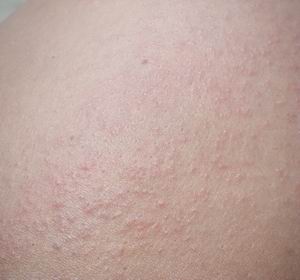
1. Witch Hazel: Acts as an astringent that relieves an itchy skin rash as well as more serious skin conditions such as psoriasis and eczema. Because of its anti-oxidant properties it is also used for treating sunburn. For maximum benefit, use fresh witch hazel bark. Simmer one ounce of the bark with one pint of water and leave for ten minutes. Strain and cool. Apply with a clean cloth and leave it on for 30 minutes. 

2. St Johns Wort: This yellow flower native to Europe has been used for thousands of years, from the Greeks to Native Americans It is well known for it use in treating depression and anxiety, though because of its astringent properties it can also be used to to moisturize and refresh the skin, particularly an itchy skin rash. 

3. Aloe Vera: This is gel-like substance from cut Aloe is widely known for treating skin burns and sunburns. Aloe vera also helps in healing wounds and minor skin irritations such as an itchy skin rash. This plant produces anti inflammatory, anti bacterial, and anti fungal properties. It also contains folic acid, zinc, and vitamins C and E. The best way to get the benefits of aloe vera is to use the fresh gel from the plant. At the time of application, slice off a portion of the leaf and directly apply the gel to the affected area. 

4. Calendula Essential Oil: Calendula is widely used for reducing inflammation and treating diaper rash. Experts say that Calendula works by stimulating the production of white blood cells that aid in destroying harmful microbes. You can also use the actual herb by mixing it with boiling water, one cup of the boiling water to two teaspoons of the herb. Let it simmer for about ten minutes. After the mixture has cooled, apply to the affected area by using a clean cloth. 

5. Chamomile Essential Oil: Has anti inflammatory (anti-microbial) properties that soothes and eliminates an itchy skin rash and irritations. Chamomile is also used in treating eczema, psoriasis, and sunburn. Please be aware, people who are normally allergic to grass and ragweed may acquire an allergic reaction to chamomile. 

6. Jewelweed: Provides relief from poison oak, poison ivy rash, insect bites and bee stings. To use, crush the fresh leaves into a ball and rub over the rash as quickly as possible 

7. Wild Pansy: This is a European wild flower that soothes and relieves itching and skin irritations associated with eczema. This is also used for soothing acne problems.
Read more

0 stone in your kidney

Labels: , ,
stone in your kidney


Who is likely to get stones in kidney?

Both men and women, though kidney stones are more common in men. People with a family history are two and a half times more likely to form stones than those without family history. The highest risk occurs between the ages of 20 and 50.
Stone formation occurs when either excessive amounts of a mineral are excreted into the urine or when the volume of fluid in your body is decreased because of dehydration.


Pain.

It's called renal colic - one of the most intense of all pains - and it's caused by pressure on the kidney due to blocked urine flow. The pain often radiates along the path of the urinary tract, beginning high in the back over the kidney and travelling to the lower abdomen, groin and even into the genitals. The pain begins suddenly and quickly becomes unbearable. Renal colic is often accompanied by nausea and vomiting not because the stomach is involved, but simply because of the severe pain.

Bleeding

In about 90 per cent of all cases, kidney stones cause bleeding into the urine.

CULPRITS APLENTY
About 80 per cent of the time, the principal mineral in a kidney stone is calcium, usually combined with oxalate (60 percent of all stones) but sometimes paired with phosphate (20 percent) or other substances like uric acid.


TO PREVENT KIDNEY STONES

* Drink lots of water and other fluids, aiming for at least two litres a day.
* Eat moderate amounts of calcium-rich foods. Stay away from calcium supplements and vitamin D supplements, which increase the intestinal absorption of calcium.
* Avoid foods with high levels of oxalate; spinach, beets, sweet potatoes, nuts, instant coffee, tea and chocolate head this list.
* Avoid excessive amounts of protein, especially from meat and other animal sources. Reduce your consumption of salt, staying below the recommended maximum of 2,400 mg per day.
* Increase your consumption of citrus fruits and juices (except apple and grapefruit juices); in addition to potassium, they provide a second helpful nutrient, citrate.

Read more

0 television and your eyes

Labels: ,


television and your eyes


If your children are watching television sitting very close to it, immediately consult an eye doctor. They may be having problems with their eyes.

How far should one sit from the TV?

Rule 1:

The size of your television room and the television determine how far you should sit from the TV. A general rule is: Stay as far from your TV screen as visual comfort permits.

Rule 2:

In order to see the picture without strain, sit comfortably by resting your back on the back of the chair. Keep the chin a little raised, the lids a little down and blink frequently.

Rule 3:

In general, a large screen permits comfortable viewing because it gives clearer vision at a greater distance. However, a large screen in a small room is not recommended.

How should lighting be in the TV room?

Never watch TV in a dark room. One should have additional light in the viewing area. The contrast between the bright screen and surrounding darkness causes undue fatigue to the eyes. Use soft, indirect lighting, making sure that the screen does not reflect the light.
Read more

0 advantages of contact lenses

Labels: ,
anjanisoni
a

dvantages of contact lenses


Contact lenses are used to correct refractive errors. They are also used to correct certain special eye diseases. Normally, the cornea is spherical. If a patient has a conical cornea, the condition is called a conical cornea or keratoconus. In such cases the pressure of the contact lens flattens the cornea. If a patient has a white mark on the cornea, coloured contact lenses can be given for cosmetic reasons. Colour contacts are often used to change the colour of the eyes.

What are the advantages of contact lenses over spectacles?

Contact lenses have cosmetic value; the patient need not wear specs. Further, side vision is better with contact lenses. Contact lenses should be used if the difference in power of the two eyes is more than 5 dioptres since the patient will start seeing double if he uses glasses. This is because the two eyes cannot cope with a difference of more than 5 dioptres with glasses. Contact lenses give a more normal image than spectacles. Contact lenses are also preferred in refractive errors of high degrees.

Lens care requires only few minutes each day, good hygiene and good habits.
Read more

2 A complete article on Exercises For Beginning Bodybuilders

Labels: , ,
  • Chest Exercises

The chest area is one of the easist muscle groups for beginning bodybuilders to strengthen and develop. It consists of a large muscle (pectoralis major) to either side of the breastbone and a smaller muscle (pectoralis minor) underneath. The pecs are relatively easy to develop in the early stages simply because they can be trained intensively although care needs to be taken to work them from different angles to ensure full development.

For beginners, three safe but effective exercises are recommended:

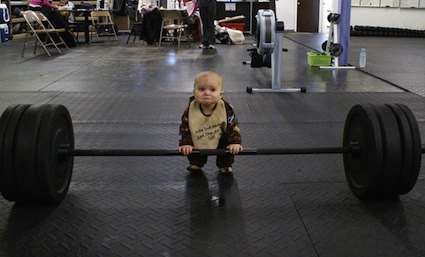
1. Incline dumbbell press - 3 sets of 10-15 reps. When you feel comfortable with the mechanics involved in this exercise you can move on to using a barbell instead, remembering to maintain proper form.

2. Incline dumbbell flyes - 3 sets of 10-15 reps. Done properly, this exercise is good for inner and outer pecs.

3. Push-ups - 3 sets of 10-15 reps. Keep your body straight from head to knees and lower your body until your arms form right angles. Done properly, the old fashioned push-up still offers benefits to the chest muscles.

As with all exercises you need to take care in scheduling specific body parts. To begin with you should incorporate your chest exercises into a program similar to the one suggested below:

Day 1: Biceps, Back, Abs

Day 2: Hamstrings, Shoulders, Abs

Day 3: Quads, Forearms, Calves

Day 4: Triceps, Chest, Abs

For the first couple of weeks complete one set but then add one set each week to a maximum of three. At the end of three months you will be ready to move on to more intensive intermediate level exercises.


  • Arm Exercises


Most people new to bodybuilding pay a lot of attention to building big arms, sometimes to the point of overtraining. Don't forget, the arm muscles are brought into play during most exercises aimed at other body parts so care must be taken not to overdo things.


Having said that, the arms are complex body parts in their own right and deserve a properly focused exercise program. In basic terms the arm consists of three main muscle groups:


1. Biceps brachii - two muscles at the front upper arm that run from the elbow to the shoulders.


2. Triceps brachii -three muscles at the rear upper arm that run from the elbow to the shoulder.


3. Forearm - several smaller muscles that run from the elbow to the wrist.


There are seven classic exercises that will allow beginners to get off to a good muscle building start without overstraining their bodies. For all of the exercises that follow, use a weight that is light enough to allow between 10-15 reps.


Three biceps building exercises are recommended for beginners:


1. Standing barbell curl - 3 sets of 10-15 reps.


2. Alternative standing dumbbell curls - 3 sets of 10-15 reps.


3. Preacher bench curls - 3 sets of 10-15 reps.


Three triceps building exercises are recommended for beginners:


1. Dips - 3 sets of 10-15 reps.


2. Close grip bench press - 3 sets of 10-15 reps.


3. EZ bar lying extensions - 10-15 reps.


One forearm building exercise is recommended for beginners:


1. EZ bar reverse curls - 3 sets of 10-15 reps.


As with all exercises you need to take care in scheduling specific body parts. To begin with you should incorporate your arm exercises into a program similar to the one suggested below:


Day 1: Biceps, Back, Abs


Day 2: Hamstrings, Shoulders, Abs


Day 3: Quads, Forearms, Calves


Day 4: Triceps, Chest, Abs


For the first couple of weeks complete one set but then add one set each week to a maximum of three. At the end of three months you will be ready to move on to more intensive intermediate level exercises.

  • Back Exercises


From a bodybuilder's perspective one of the most important body areas is the back. Not only can it be visually impressive but a strong back is essential for intensive training and day to day living. In bodybuilding you are aiming for three things with regard to developing the back muscles:


- Thickness of the upper back (traps).


- Wide lats.


- Highly defined lower back (spinal erectors and lower lats).


As a beginner there are five essential exercises for developing these muscles quickly:


1. Dumbbell shrugs - 3 sets of 10-15 reps. This exercise will develop the traps.


2. Seated V-bar cable rows - 3 sets of 10-15 reps. This exercise will develop the mid upper back.


3. Bent over barbell rows - 3 sets of 10-15 reps. This exercise will add thickness to the upper back.


4. Pullups - Aim for 25 reps. This exercise will strengthen the entire back.


5. Pulldowns - 3 sets of 10-15 reps. This exercise will define the lats.


As with all exercises you need to take care in scheduling specific body parts. To begin with you should incorporate your back exercises into a program similar to the one suggested below:


Day 1: Biceps, Back, Abs


Day 2: Hamstrings, Shoulders, Abs


Day 3: Quads, Forearms, Calves


Day 4: Triceps, Chest, Abs


For the first couple of weeks complete one set but then add one set each week to a maximum of three. At the end of three months you will be ready to move on to more intensive intermediate level exercises


  • Lower Body Exercises


The lower body contains some of your biggest muscles which are capable of bearing significant weights. The temptation for beginners to go for broke by performing heavy squats should be resisted. To begin with you should concentrate on building the muscles safely by using machines that isolate muscle groups. The squat is an excellent compound exercise that trains numerous lower body muscles but it is one you should learn properly after spending three months strengthening the individual muscles that will be utilized later.


The muscles of the lower body can be divided into five groups:


1. Quads - this is the big muscle group consisting of four muscles at the front of the thigh. These are the primary muscles used when performing exercises such as squats, leg press, lunge and leg extension.


2. Hamstrings - these are the main muscles at the back of the thigh. These are the primary muscles used when performing leg curls.


3. Gluteals - these are the muscles that make up the buttocks.


4. Hip flexors - these are the small muscles at the front of the pelvis that allow you to raise your legs to the front.


5. Calves - these are the two muscles found in the lower leg.


For beginners these muscles should be exercised as follows:


1. Leg press - 1 set of 10-15 reps. This is a useful exercise for the quads but it also works the hamstrings and glutes to a lesser degree.


2. Leg extension - 3 sets of 10-15 reps. This is a useful exercise for adding definition to the quads.


3. Hamstring curl - 3 sets of 10-15 reps. This exercise isolates the hamstrings.


4. Standing calf raise - 3 sets of 10-15 reps. This exercise works the gastrocnemius muscle.


5. Seated calf raise - 3 sets of 10-15 reps. This exercise works the soleus muscle underneath the gastrocnemius muscle.


As with all exercises you need to take care in scheduling specific body parts. To begin with you should incorporate your lower body exercises into a program similar to the one suggested below:


Day 1: Biceps, Back, Abs


Day 2: Hamstrings, Shoulders, Abs


Day 3: Quads, Forearms, Calves


Day 4: Triceps, Chest, Abs


For the first couple of weeks complete one set but then add one set each week to a maximum of three. At the end of three months you will be ready to move on to more intensive intermediate level exercises


  • Shoulder Exercises


The main shoulder muscles that concern bodybuilders are the deltoids and although they work closely with the arms and chest muscles, it is possible to isolate the delts in a training session. Unlike other body parts though, the shoulder is not designed for heavy lifting in all directions so beginners need to take care and use lighter weights than usual for shoulder-isolating exercises.


The deltoid covers the shoulder and consists of three distinct segments:


1. The anterior or front deltoid allows you to raise your arm to the front.


2. The medial or middle deltoid allows you to raise your arm to the side.


3. The posterior or rear deltoid allows you to draw your arm backwards when it is perpendicular to the torso.


The front delt usually receives plenty of work with chest exercises such as the bench press and pushup, so you'll need to use common sense and listen to your body when performing exercises that specifically target this muscle. The recommended shoulder exercises for beginners are as follows:


1. Seated dumbbell press - 3 sets of 10-15 reps. This exercise places the emphasis on the medial head.


2. Front lateral raise - 3 sets of 10-15 reps. This exercise emphasises the front delt.


3. Rear lateral flyes - 3 sets of 10-15 reps. This exercise targets the rear delt.


As with all exercises you need to take care in scheduling specific body parts. To begin with you should incorporate your shoulder exercises into a program similar to the one suggested below:


Day 1: Biceps, Back, Abs


Day 2: Hamstrings, Shoulders, Abs


Day 3: Quads, Forearms, Calves


Day 4: Triceps, Chest, Abs


For the first couple of weeks complete one set but then add one set each week to a maximum of three. At the end of three months you will be ready to move on to more intensive intermediate level exercises.
Read more

0 What Are The Common Hairloss Causes?

Labels: ,
What Are The Common Hairloss Causes?


One of the most worrying aspects of hair loss treatment is the tendency of so many people to seek solutions without first determining what has caused their loss in the first place.

At best, sufferers may waste money on inappropriate 'wonder cures' or even legitimate treatments that unfortunately are not suitable for their particular needs. At worst, some people may be risking their health by self-prescribing powerful pharmaceutical drugs. I don't have a problem with hair loss sufferers saving money by purchasing cheap generic drugs on the internet, but I feel strongly that they should at least seek confirmation from their physician that a given drug matches their individual needs.

Before examining the most common causes of premature hair loss we need to understand that some shedding of hair is perfectly normal. Hairs grow from follicles that are tiny organs in the skin designed to grow a single hair that follows this repetitive cycle:

1. Lengthy growth period (Anagen Stage) - this phase usually lasts between two and seven years with an average growth rate of six inches (15cm) each year.

2. Short transition period (Catagen Stage) - this period of transition lasts for roughly two to four weeks. During this phase the hair shaft becomes detached and moves upwards within the follicle.

3. Resting period (Telogen Stage) - this phase

lasts about three months allowing the hair to detach itself prior to falling out.

At this point a new hair begins to grow thus repeating the normal cycle of hair growth. Unfortunately a number of factors can interfere with the natural hair growth process leading to forms of hair thinning or premature baldness.

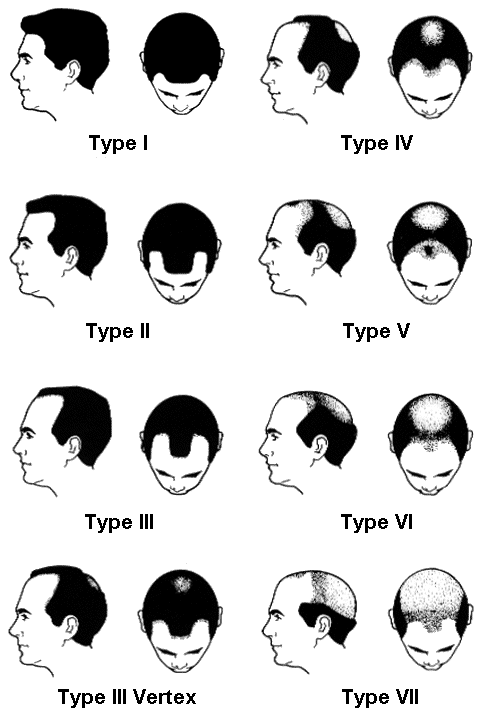
Androgenetic alopecia is the most common cause of hair loss, probably accounting for as much as 95% of pattern hair loss for both men and women. It is usually associated with aging and develops in predictable stages over varying periods of time. Each follicle follows a genetically programmed growth cycle with some follicles coded to remain active for a shorter time than others. This results in the development of the hereditary baldness patterns that are so familiar to us all.

For this type of baldness to occur, the following factors must be present:

1. A genetic predisposition for hair loss to occur (as explained above).

2. The presence of male hormones.

3. Aging - in other words, enough time for the first two factors to exert an influence.

All men and women produce male hormones such as testosterone and DHT. These have a useful role to play in both sexes but obviously occur in widely differing concentrations. It is the higher levels of androgens found in males that explains why this form of hair loss affects men more than women.

In brief, these hormones affect the hair growth cycle as follows:

1. High levels of the 5-alpha-reductase enzyme occur in some cells of the hair follicle and sebaceous glands.

2. 5-alpha-reductase converts testosterone into DHT.

3. DHT causes the terminal hairs to miniaturize.

4. This leaves short, soft, fluffy vellus hairs that provide inadequate scalp coverage.

5. The growth phases gradually become shorter until these hairs are lost for good.

Alopecia areata is thought to be an immune system disorder that causes follicles to stop producing hairs in patches on the head. In severe cases it can advance to the stage where all hair on the head is lost (alopecia totalis) or even a complete absence of body hair results (alopecia universalis).

In most cases the hair will reappear on its own but until then, the condition can be very distressing to sufferers particularly as its cause can be difficult to determine. If you feel you may be suffering from this form of hair loss, seek the advice of your physician who will carry out a physical examination and conduct blood tests to help determine the cause.

Telogen effluvium is characterized by a general thinning or shedding of hair over a period of months and is most commonly found in people who have recently experienced trauma. Common causes include childbirth, major surgery, severe illness, psychological stress and chemotherapy. The good news is that the abnormal growth behavior associated with telogen effluvium is temporary and reversible.

There are numerous other less common hair loss causes that need to be discounted before a course of treatment is chosen. Traction alopecia is the loss of hair from constant pulling, usually as the result of hair styling. Broken hairs can result in thinning, often caused by excessive styling or exposure to chemicals and sun. Finally, severe illnesses or nutritional deficiencies can cause side effects that may include degrees of hair loss.

I hope this brief article has gotten across the message that diagnosing the real causes of hair loss is not always a straightforward process. Once you and your physician have identified a cause, then you can work towards restoring your hair to its former glory. And the good news is, most forms of hair loss can be treated successfully. The next article in this series will look at some of the best hair loss treatments currently available.
Read more

0 beautiful people are healthier

Labels: , ,
beautiful people are healthier 


Research conducted across cultures and species has found that not only are symmetrical faces regarded as being more attractive, but that they also may indicate good genes, health and long life. 

No one disputes that symmetrical faces, such as that of Kate Moss or Charlize Theron, are more attractive. But why? One idea is that the trait is an advert of genetic quality or fertility. An alternative view is that preferences for a symmetrical face arose from cultural factors and say nothing about health, fecundity and other biological factors. 

Now support for the idea that a symmetrical face is indeed a strong advert of mate 'quality' has been published in the journal PLoS One by Dr Anthony Little of the University of Stirling and colleagues, the Daily Telegraph reported. 

Using mug shots of Europeans, the Hadza of Tanzania, one of the last hunter gatherer cultures, and macaque monkeys, measurements were made and people were asked to judge the masculinity of the most and least symmetric pictures. Whether a member of a troop or a tribe, symmetric males had more masculine facial proportions and symmetric females had more feminine facial proportions. 


"In humans, if you look at female models, for example, they tend to be pretty symmetric and at the extremes of femininity," the newspaper quoted, Dr Little as saying. He adds, "One good face trait deserves another—symmetric men and women appear to have other good face traits". 

The findings back the claim that the masculinity/femininity of faces is linked with symmetry and hence advertise quality, that is good genes. 

Biological quality can mean many things but as symmetry and femininity/masculinity arise during development then one explanation for the findings is that "both traits could advertise quality in terms of resistance to disease, or environmental stresses and that might mean people with these traits are healthier and live longer," says Dr Little. 

We seek a partner with good looks because this is a biological advert that says good genes are to be found in this particular body to help our own genes thrive in the next generation. 

He adds that a second paper in the journal Behavioural Ecology that people who prefer more symmetric faces prefer more extreme faces, that is a rugged male face or a beautiful feminine female face. 

Dr Little concludes that "overall our work suggests that symmetry and masculinity in faces signal the same thing and that these signals are present across human populations and also in our non-human primate relatives." 

However, this research has not investigated or suggested that increased facial symmetry, or "beauty", is linked to better genes and that asymmetry is linked to less favourable genes. 
Read more
 
HealthTips4Free © 2010 | Designed by Blogger Hacks | Blogger Template by ColorizeTemplates