0 How To Get Great Looking Skin

Labels: ,

  • Genes
  • Inner nutrition - what we eat and drink
  • Exercise
  • General health and well-being
  • Emotional health, and
  • Outer nutrition - how we take care of our skin
While we can't alter our genes, we can improve our skin by making the necessary adjustments in the areas we can influence. Read on to discover the basic components of a healthy outer nutritional plan for your skin.
If you seriously want great skin the very first thing to do and wear a hat and good quality sunscreen when out in the sunshine. Having said that, let's move on to understand the next three basic foundations to great skin.
If you want your skin to look and feel great, careful cleansing is very important. This should be done first thing in the morning and last thing at night to remove pore-clogging dirt. Don't cleanse enough and you could find yourself prone to spots. Cleanse to often and you could be stripping away essential oils and be susceptible to dry skin or even eczema. Understanding your skin type (normal, dry or oily) and using a cleanser to match is the best foundation for great looking skin. Remember to rinse your face with warm water after using a cleanser, as any residue will continue to work on the skin if not completely removed.
Our grandmother's used soap and water…isn't that good enough? Soap is not very good at removing makeup because it does not contain enough oils to dissolve the staying power that most cosmetics have today. Remember the 'tight' feeling after your have washed your fact with soap? Soap can be very drying on your skin and may wash away essential oils. Another reason not to use soap is that it is not matched to the natural balance of our skin. Soap is generally alkaline, whilst skin is naturally acidic.
The second step to great outer nutrition for your skin is to tone. Toners are designed to remove any last traces of cleanser, while also helping to tighten and refine pores and prevent the build-up of dead skin cells. After toning your skin should fee and look revitalised and refreshed, and ready to be moisturised. Again you will need to apply a toner that matches your skin type.
The third foundation step is to apply moisturiser to help restore the moisture loss caused by the drying effects of sunlight, central heating, wind, cold and pollution. A good daytime moisturiser would contain a sunscreen and will be easily absorbed into the skin. At night you should use a richer, more nourishing cream, as this is when your skin more readily absorbs moisture.
Despite the plethora of products on the market and the myriad of additives…. the most important ingredient of any moisturiser is water! If water is just splashed on the skin it will not say there. Moisturisers are basically oil and water emulsions which contain a humectant (a substance added to another to make it moist), which attracts water and helps 'fix' it in the upper layers of the skin.
Moisture that is lost firm the skin needs to be replaced quickly so that the surface of the skin is kept both soft and smooth. The living cells in the layers need water so that they will not shrivel up and die. A moisturiser can protect the skin by providing a varier between the skin and the external environment. It also prevents the loss of moisture from the deeper layers of the skin.
Should people who have oily skin use a moisturiser? Moisturisers are particularly recommended for people with dry skin but everyone can benefit from using a moisturiser. You simply need to ensure that you choose the correct moisturiser for your skin type. People with oily skin should choose a moisturiser that hydrates their skin whilst helping absorb any excess oil.



Read Other Skin Related Articles
Read more

0 How To Deal With Dry Skin

Labels: , ,
Every day 4-8 oz. of water evaporates through the skin, and we don't even notice how it happens. Replenishing water by drinking more fluids is helpful, but does not guarantee smooth and resilient skin. Moisture balance is regulated by chemical reactions in tissues, and is not directly related to the amount of water you drink.
If we could apply water topically, it would not help much either. Skin does feel soft and moisturized right after a bath: it happens because the horny layer (the outermost skin layer), which is formed by dead skin cells, absorbs water. During a bath up to 2 oz. of water can be absorbed by the skin. But this water is not allowed any deeper than the surface cells. Later, within 10 minutes, all this water evaporates, leaving skin dry again.
Human skin has its own mechanism to prevent moisture loss. Our skin cells work hard to create a protective layer. This layer consists of oils, aminoacids, sugar compounds and other elements, either water or oil soluble. All together they bind with water and don't let it evaporate. Water, that is not allowed to leave skin surface, is absorbed by the horny layer cells. The skin becomes softer, smoother and more flexible.
Hot or cold air, low humidity, frequent contacts with water or cleansing solutions ruin the protective layer, and skin loses its natural ability to hold moisture. When water level in the skin drops by 10%, the skin becomes dry, itchy and flaky.
As we age, skin's protection mechanism slows down and skin becomes dry. In some people dry skin is inherited genetically.
Even though the outermost skin layer is made of dead cells, we have to take care of it. The primary function of the horny layer is protection of deeper skin layers, where new cells are born. Regular use of hydrating creams helps to prevent water loss, restore moisture balance and elasticity of the outer skin layer and help it do its job.
Oils, mucopolysaccharides, and fatty acids are widely used in cosmetics to prevent water loss. The most effective cosmetic ingredients for this purpose are liposomes, ceramides and sphingolipids.
Liposomes are microscopic spheres that can be used to encapsulate water, vitamins or other beneficial ingredients. Because these elements are similar in structure to cell membrane, they are easily utilized by the skin. They can penetrate skin surface, bind with it and release the substances they carry.
Ceramides and Sphingolipids are the elements that hold skin cells together so that the environment can not get in and the moisture can not get out. Lipids are lost with age, and the moisture barrier is weakened. Research shows that applying ceramides topically has the effect of generating ceramide production in the skin, thereby increasing the lipid content and reinforcing the protective barrier.
Look for creams with the above ingredients to keep your skin in its best condition and defy aging.


Read more

0 Walk Your Way To Health

Labels: , ,
Which one will give you the best, most immediate results in terms of aerobic fitness, muscular fitness and flexibility?

We are all searching for answers. We all hope to find the quickest way to improve or maybe regain our health. 

But what about walking? Most of us think of walking as something you do maybe to get yourself started again on the road to fitness, but as our primary method of fitness?

Why not?

Here’s some thoughts to consider;

A brisk walk for 30-60 minutes can produce a deficit of as much as 300 to 400 calories depending on your current level of fitness.

Making that same walk just 3 or 4 times a week over the course of a year could result in a weight loss of 16 pounds. That assumes you don’t change your current diet.

Combine that walking with a reasonable diet and the numbers multiply quickly.

Not bad for one of the most underrated exercises of all.

On top of that, research shows that 10 minutes 3 times a day offers the same benefit as 30 minutes 1 time a day. Sorry, no more excuses for not having enough time!

But let’s consider some of the other benefits:

Walking impacts the three major areas of health and fitness; aerobic fitness, muscular strength and flexibility. Not many other activities hit all three at such a consistent level as walking.

When done with proper form walking represents a much lower risk of joint injury than many other forms of exercise.

It can be done almost anywhere. Want to swim? You need a pool or a lake or ocean.

Want to cycle? First you need the equipment and then you need a reasonably safe place to ride.


Still not convinced?

Let’s get personal. In November and December of 2003, while on an extended visit to Michigan, I decided to walk each day. It gave me the opportunity to get out and see the town and meet the people.

When I arrived in Michigan I weighed in at 235 pounds and had a 40 inch waist. I jumped right in the first morning with a good brisk walk. I probably walked 4 miles that first day, but that was enough.

Now mind you I walked every single day for the 60 days I was there, but when I arrived home in California I was a slim 190 pounds with a 31 inch waist.

Yes, that’s 60 days! I walked a lot more than 30 minutes, in fact usually it was more like 2 to 3 hours, but still we’re talking about 60 days not 365 days to lose that kind of weight.

And I felt fantastic to boot!

I’m not saying that everyone will get the same results that I did, but if you got even a quarter of the results in 60 days, you’d be pretty happy wouldn’t you?

Walking is definitely not a myth and I’m not sure it’s a miracle either, but it sure does rank right up there as one of the best all around exercises of all time!

Always consult a physician before beginning any exercise program.

If you would like to learn more about walking and it’s benefits, just drop us a line we’ll hook you up with some other great resources.
Read more

0 A Walk a Day Keeps the Doctor Away

Labels: , ,
Should you work out when you have a cold? How about if you have a fever? For many avid exercisers, especially beginners who have just managed to make walking a habit, stopping to give your body a rest can feel very threatening. You are afraid that if you stop, you may never start again. But there are certain circumstances when exercise can do more harm than good, especially when you are recovering from an illness like the common cold or the flu.

If you decide to exercise when you are stuffed up, make sure you really check with your body first. Do you feel excessive fatigue? How is your breathing? Does it feel difficult to fill your lungs as you normally would? Make sure you keep track of your pulse, both at rest and while you are working. If it seems unusually high, you might want to consider taking another day off. 

If you do decide to take up the challenge, take it slower than usual. For example, even though it may be your day for hills, modify your schedule and keep it flat. If it is a fast pace day, walk at a normal speed instead. Don’t try to beat the clock this time. Finally, make sure you drink plenty of water. Hydration is crucial, especially when fighting off a cold. The following is a summary of guidelines you should follow if you decide to walk despite the sniffles:

•Wait until you are in the latter phase of your cold.
•Take your morning pulse; if it is 10 beats higher than normal, take another day off.
•Do a modified version of what you normally would do until you feel better.
•Start out slowly; if you feel okay, pick up the pace gradually.
•Drink plenty of water and make sure you get adequate rest.
•Listen to your body. If it doesn’t feel right, then it probably is not.

A simple stuffy nose is one thing, but exercising when you have a fever or other flu symptoms can be more damaging than good. Because a fever indicates that your body is fighting an infection, your immune system is on overdrive in an attempt to suppress the attacking virus. If you go out and exercise at such a time, you are putting even more strain on an immune system already under extreme stress as it attempts to fight off the intruder. Exercising will steal some of the energy away from the task at hand (healing) and could set your body up for a prolonged and more severe attack.

If it is the flu or fever you suffer from, take time off! Wait until the illness has subsided. Be honest with yourself about how your body feels. Pushing yourself when you are not ready will only drag the healing process out longer, setting your goal further and further back. 


 raymondlee12
Read more

2 Bad Breath - Causes,Symptoms and Treatment

Labels: ,
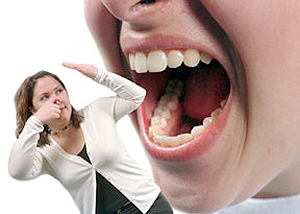
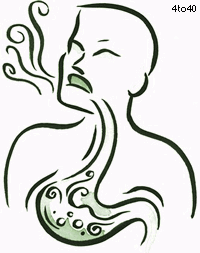
Bad Breath is an embarrassing problem. Bad Breath is usually caused by the breakdown of proteins by bacteria somewhere in the mouth. You can also read my previous posts on bad breath main cause of bad breath and bad breath remedies and prevention.Bad breath is not contagious. Bad breath is a problem that is shared by millions of people across the country. Chronic bad breath, known as Halitosis, does not come from the stomach. Although there is no way of knowing for sure, most adults probably suffer from bad breath occasionally, with perhaps a quarter suffering on a regular basis. The only odor that comes from the stomach is when you burp. Food odors are transitory and should not be confused with bad breath. Human's sense of smell has the ability to adjust to odor. Health conditions and habits are among the causes of bad breath. In many cases, you can improve bad breath with proper dental hygiene.

Food eaten such as garlic and spicy foods once absorbed into the body can release odor through the lungs when you breathe.Therefore, most people with halitosis are not aware of their bad breath.Certain foods, such as garlic and onions, contribute to objectionable breath odor. Once the food is absorbed into the bloodstream, it is transferred to the lungs, where it is expelled. Brushing, flossing and mouthwash will only mask the odor temporarily. If you don't brush and floss daily, particles of food remain in the mouth, collecting bacteria, which can cause bad breath. Food that collects between the teeth, on the tongue and around the gums can rot, leaving an unpleasant odor.

Causes of Bad Breath

Bad Breath is usually caused by the breakdown of proteins by bacteria somewhere in the mouth. If you don't brush and floss daily, particles of food remain in the mouth, collecting bacteria, which can cause bad breath. Bad breath can also be caused by dry mouth (xerostomia), which occurs when the flow of saliva decreases. Saliva is necessary to cleanse the mouth and remove particles that may cause odor. Tobacco products also cause bad breath. 

Symptoms of Bad Breath

1.Poor dental hygiene.

2.Infections in the mouth.

3.Respiratory tract infections - Sore throat, swollen lymph nodes ("swollen glands").

4.External agents Cigarette stains on fingers and teeth.

5.Dry mouth.

6.Systemic (bodywide) illnesses-diabetes, lung disease, kidney failure or liver disease. 

Treatment of Bad Breath

1.Use a tongue cleaner and clean right to the back of the tongue.

2.Use a mouthwash is recommended. The best time to use it is just before sleeping.

3.Drink plenty of fluids, avoiding too much coffee and alcohol.

4.Clean your mouth after eating dairy products, fish and meat.

5.Chew sugar-free gum, especially if your mouth feels dry.

5.Eat fresh food and fibrous vegetables.

6.Mouthwashes are generally cosmetic.
Read more

0 Main Causes Of Bad Breath

Labels: ,
In my previous post i posted about Bad Breath Remedies And Prevention and now i describe that what are the main causes of  bad breath.There are several different causes of bad breath, each of which can be either avoided or controlled temporarily. If you are someone who worries about having bad breath what you need to do is pay attention to what you are eating.

Onions and garlic are the most common examples of foods with such strong odors that they remain on one's breath for a long time. Brushing teeth and using mouth fresheners may offer no more than temporary relief, because traces find their way in to exhaled breath from blood, after the ingredients have been digested. However, these kinds of aromatic foods have become so notorious that many people now avoid them as much as possible. 

You may still be asking what causes odor on your breath since there are other causes for halitosis apart from smelly foods. Left over food particles are common reasons, as they rot in the mouth after getting stuck between teeth. 

The mouth could also harbor some types of bacteria which cause bad breath. Finally, certain medical conditions such as ketosis may be responsible for a foul smell on one's breath.

Simple Solutions to the Question: What Causes Bad Breath?

Since there is no single reason for halitosis, it is best to consult a doctor to uncover the primary reason in each separate case. A regular dental check-up should uncover whether any aspect of oral health is responsible for lingering foul odors, while blood tests can establish systemic answers to the vexed question of what causes bad breath.

Halitosis could be a result of a potentially serious condition, so medical evaluation of the problem is always a good idea. However, you need not wait until you get a dental or a doctor's appointment, to take action on learning that there is a bad smell in your mouth, for there are effective steps that you can safely take on your own.

Good habits should be adequate to treat halitosis if one is in a normal state of health. Tobacco smells at least as much as food with pungent aromas, so staying away from all these influences pays off handsomely in terms of clean and fresh breath. Regular brushing and flossing may sound like advice for children, but it is surprising how many adults need regular reminders!

If you want to get rid of that bad breath that comes out of your mouth from time to time please follow the above recommendations and pay attention to what causes bad breath. Bad breath can be an embarrassing problem, but it is one that can be avoided if you can watch what you eat and can keep yourself prepared with some mints or gum constantly in your pocket just in case.
Read more

0 Natural Way To Cure Acidity

Labels: , ,

Here are some home remedies to cure acidity

- Skip the aerated drinks as well as the caffeine. Opt for herbal tea instead.
- Have a glass of lukewarm water everyday.
- Include banana, watermelon and cucumber in your daily diet. Watermelon juice is great for curing acidity.
- Coconut water is known to soothe the system if you suffer from acidity.
- Drink a glass of milk - everyday.
- Have your last meal at least two to three hours before you hit the sack.
- Keeping long intervals between meals is another cause for acidity. Have small but regular meals.
- Try to avoid pickles, spicy chutneys, vinegar, etc.
- Boil some mint leaves in water and have a glass of this after meals.
- Sucking on a piece of clove is another effective remedy.
- Jaggery, lemon, banana, almonds and yogurt are all known to give you instant relief from acidity.
- Excessive smoking and drinking will increase acidity, so cut down.
- Try chewing gum. The saliva generated helps move food through the esophagus, easing symptoms of heartburn.
- Ginger aids in digestion. Either buy powdered ginger in capsule forms or add the herb to your recipes.
- A simple preparation of lemon water with sugar can be sipped on an hour before lunch to reduce uneasiness.
- Have vegetables like drumsticks, beans, pumpkin, cabbage, carrot and spring onions.
Read more

0 Bad Breath Remedies And Prevention

Labels: , ,


Bad breath is something that most of us are afraid of. In many cases, majority of the population do not know they suffer from bad breath. To get rid of bad breath, we have to take initial steps in preventing bad breath to occur every time you open your mouth.

1.The best bad breath remedies is that you have to make it a habit to brush your teeth or rinse your mouth after every meal. Make it a routine to brush your teeth or rinse every night before you go to sleep.

2.Mouth wash is readily available in any medical store. But keep in mind not to purchase a mouth wash that contains dyes and alcohol.

3.Sunflower seeds can be helpful to get rid of bad breath. All you have to so is chew on some sunflower seeds and drink a glass of water ,mainly after you eat a non vegetarian meal.

4.An apple a day keeps the doctor away. It is very much true. Eating an apple daily will help to remove bacteria in the mouth, the main cause of bad breath.

5.Lemon does wonders. The lemon juice mixed with warm water can be used to gargle your mouth to help get rid of bad breath. It a one of the best home remedies for bad breath.

6.To get an aromatic breath, cardamon is the best. Although is it pungent, it will give you good results for bad breath. It is also a mouth refreshner.

These home remedies for bad breath will be of good use . But, in order to prevent this, we can take certain precautions to prevent bad breath.

1.It is good if you drink plenty of water. Drinking plenty of water will help to get rid of the bacteria in the mouth.

2.Bad breath remedies is good as it helps to kill the unwanted germs in the mouth. Although, you may brush reguarly and maintain a good oral routine, it is important that when you brush your teeth, make sure to use a tongue scrapper to clean the tongue. The bacteria usually stays on the tongue causing bad breath.

3.If these home remedies for bad breath do not work, it is advisble to see a dentist. You may be having an oral disease that needs doctor's consultancy.

4.When you use mouthwashes, make sure that you go in for those that have ingredients of aloe vera and parsley. It is good to help get rid of bad breath.

5.It is said, tea is one of the best bad breath remedies. Those who are addicts to coffee, it is advisble to switch to tea as coffee frames a thin coat on the tongue which blocks the oxygen supply on the tongue.

6.Now and again, chew on sugarless gum. This will help you clean your mouth as chewing increases the saliva flow.

Bad breath is one problem that many of us face. Follow these home remedies for bad breath and help to prevent them by taking appropriate steps.
Read more
 
HealthTips4Free © 2010 | Designed by Blogger Hacks | Blogger Template by ColorizeTemplates